We remain fully operational. Our teams are working around the clock to ensure your deliveries continue safely.

قم بتنزيل التطبيق


معلومات عنا
حقوق الطبع والنشر © 2024 Desertcart Holdings Limited
قم بتنزيل التطبيق
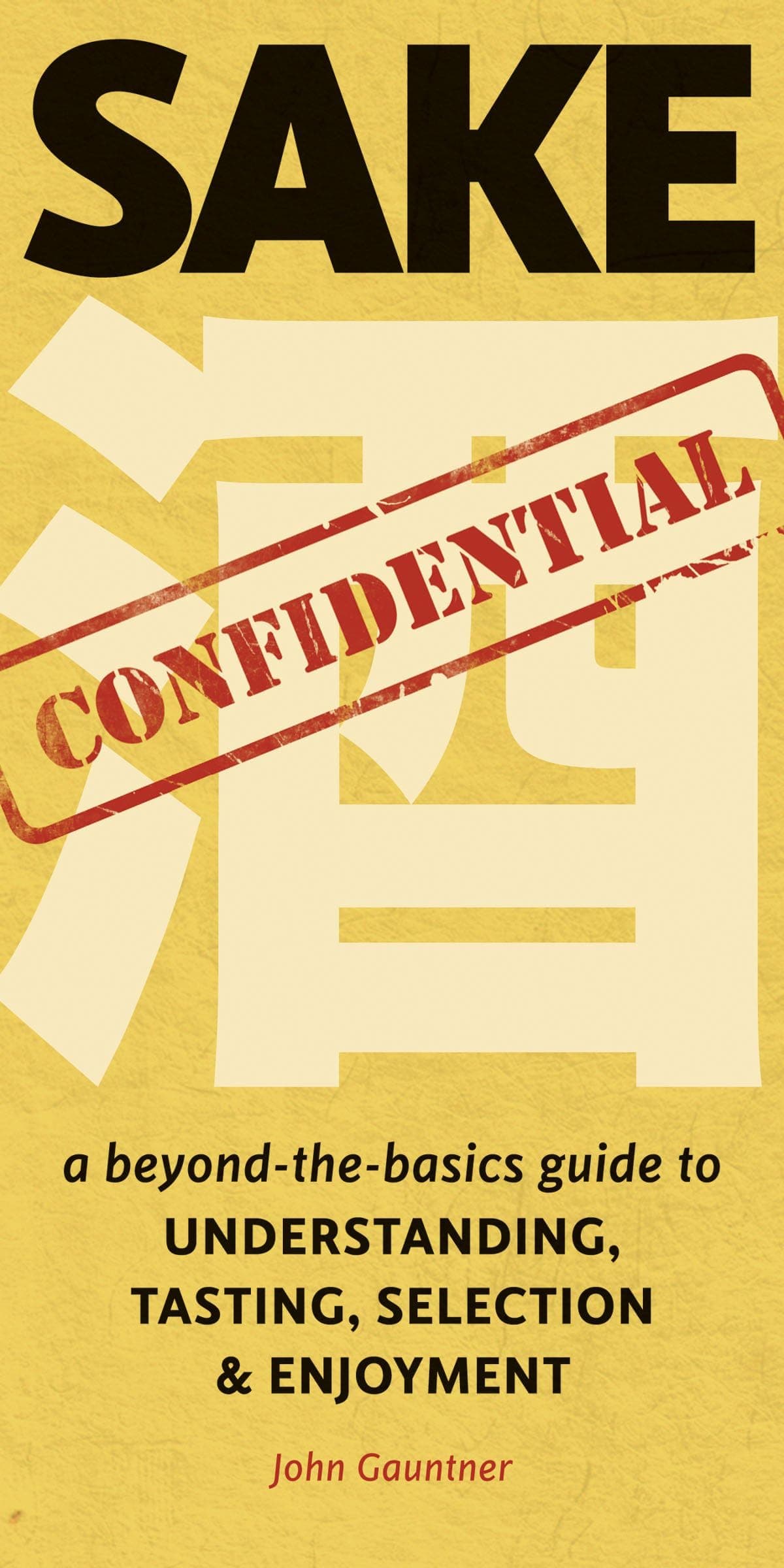
Sake Confidential: A Beyond-the-Basics Guide to Understanding, Tasting, Selection, and Enjoyment [Gauntner, John] on desertcart.com. *FREE* shipping on qualifying offers. Sake Confidential: A Beyond-the-Basics Guide to Understanding, Tasting, Selection, and Enjoyment Review: A Must Read That Fills a Sake Void - There are approximately a dozen or so books, available in English, about Sake and many of them are very similar. They provide basic information about Sake and also give some Sake recommendations. Sake articles in magazines are uncommon, and most provide only basic knowledge about Sake, introductory primers to educate consumers. It is more difficult to find advanced information about Sake, information that goes beyond the basics and generalities. Fortunately, this new book addresses this omission. If you have any interest in Sake, then you should check out Sake Confidential. The book is divided into three parts: Sake Secrets, How The Industry Really Works, and The Brewer's Art Revealed. The book begins with a 14 page Introduction, which is a basic education about Sake, relying on numerous generalities to get across the message. After the Introduction, you will find over 24 chapters, covering a broad array of more advanced Sake topics. Though this book deals with more advanced Sake topics, it is well written in an easily understood manner so that it will appeal to readers of any knowledge level. You do not even need to possess a foundation in Sake to appreciate this book as the Introduction provides you all you need to progress to the more advanced topics. I previously attended John's Sake Professional Course and found him to be an excellent and engaging instructor, and that comes out in this new book. John shares his extensive knowledge of Sake, going beyond the generalities many know and breaking down some of the myths and misconceptions about Sake. In the first section, Sake Secrets, John goes into greater detail about Sake types and styles such as Junmai, Namazake, Ginjo, Kimoto, and Tokubetsu. Instead of providing one line definitions of these terms, he devotes a few pages to each term, explaining in detail some of their nuances. He then does the same for Sake ingredients such as water and yeast, as well as touching on warmed Sake and regionality. Within each fascinating chapter, you may find something about the history of the topic, as well as insider information about the current status of the Sake industry. In addition, in each chapter, John recommends a specific Sake which he feels well illustrates the topic of that chapter. These Sakes should mostly be available in the U.S. In the next section, How The Industry Really Works, John discusses some specifics about the Sake industry, such as the role of women in breweries, Sake pricing, rice milling and Sake awards. These are generally issues which are rarely written about, so this is an especially compelling section. You'll learn compelling facts such as less than half the Sake breweries are reasonably profitable, and almost 90% of those breweries are family owned. These are some of the most interesting chapters in the book as give people a closer look into the Japanese Sake industry. In addition, this section has chapters on what glassware to use with Sake, as well as pairing Sake with food, and both chapters are informative and enlightening. The final section,The Brewer's Art Revealed, is the briefest of the three, with only three chapters on the art of Sake brewing. They discuss koji making (basically a mold which turns starch into yeast), the Toji (the master Sake brewer) and brewing different grades of Sake. These are also intriguing chapters, giving you a better idea of the difficulties and complexities of Sake brewing. The importance of koji, the duties of a toji, brewing guilds, and the seasonal aspect of brewing. So many cool and geeky topics. There are actually a few brief and informative chapters at the end of the book, separate from the three main sections. First, there is Developing Your Sake-Tasting Ability, with advice on how to taste Sake in a more professional manner, honing your tasting ability, which is known as kikizake-noryoku. It isn't necessary to go this far in your Sake tasting, but it is good that the information is there if you want it. It might lead you to a deeper appreciation of this wondrous brew. Next, there is Expanding Your Knowledge, some advice on gaining more Sake knowledge. Finally, there is a Glossary with definitions of many Sake terms. Readers will appreciate that though John has plenty of Sake opinions and preferences, he doesn't try to impose them on anyone else. There is no pretension here. He simply wants people to taste Sake and develop their own preferences. Overall, this is an informative and fascinating Sake book which I highly recommend. It fills a needed niche for a Sake book that goes beyond the basics, but still is approachable by even the casual reader or newbie to Sake. Even those knowledgeable to Sake are likely to learn at least a few things from this book. Buy this book and read it while sipping a glass of Sake. Review: The truth about sake - I have a lot of respect (and admittedly some slight envy) for John Gauntner and what he has done to popularize sake and educate people about sake outside of Japan. For that reason, I remember being a little surprised when I read his "Sake Handbook", which while enjoyable also felt a bit vanilla. Actually, what it read like was (for better or for worse) a pre-Google, pre-Wikipedia introduction to sake (indeed, I think the first edition came out about 20 years ago) ... for the reader in, say, the year 2000, it would've been an extremely useful guide for the person with a budding interest in sake, but no place to turn for information about even the most basic details about the types of sake, how sake is made, etc. Now, however, that information is a quick internet search away. I say this as preface to my review of "Sake Confidential" because this book is the book I was expecting from Gauntner--an informative, opinionated, and insightful look at what the conventional wisdom about sake gets both right and wrong. Written in a series of short, blog post-esque essays, Gauntner touches on a number of issues that are central to the nature of sake and forced me to rethink a few mantras I myself had bought into over the years (e.g., "ginjo is always 'better'", "warmed sake is for bad sake and the unwashed masses", etc.). If you're truly a sake novice, this book is probably not the best introduction to sake, as it could get a bit overwhelming and/or difficult to intuitively grasp, but for those a little further down the path, this will be a delightful and stimulating read. Gauntner's writing is lively and engaging; it honestly felt like "Sake Handbook" is the book he felt he *had* to write (in order to get people aware and educated about sake), but that this is the book he really *wanted* to write. In the former, he is teaching the reader; in the latter, he's having a conversation with the reader. It's a quick and fun read--if you like sake, you'll like this book.
| Best Sellers Rank | #533,747 in Books ( See Top 100 in Books ) #381 in Wine (Books) #418 in Homebrewing, Distilling & Wine Making #537 in Gastronomy Essays (Books) |
| Customer Reviews | 4.7 4.7 out of 5 stars (163) |
| Dimensions | 4.5 x 0.75 x 9 inches |
| ISBN-10 | 1611720141 |
| ISBN-13 | 978-1611720143 |
| Item Weight | 7.5 ounces |
| Language | English |
| Print length | 184 pages |
| Publication date | June 10, 2014 |
| Publisher | Stone Bridge Press |
R**F
A Must Read That Fills a Sake Void
There are approximately a dozen or so books, available in English, about Sake and many of them are very similar. They provide basic information about Sake and also give some Sake recommendations. Sake articles in magazines are uncommon, and most provide only basic knowledge about Sake, introductory primers to educate consumers. It is more difficult to find advanced information about Sake, information that goes beyond the basics and generalities. Fortunately, this new book addresses this omission. If you have any interest in Sake, then you should check out Sake Confidential. The book is divided into three parts: Sake Secrets, How The Industry Really Works, and The Brewer's Art Revealed. The book begins with a 14 page Introduction, which is a basic education about Sake, relying on numerous generalities to get across the message. After the Introduction, you will find over 24 chapters, covering a broad array of more advanced Sake topics. Though this book deals with more advanced Sake topics, it is well written in an easily understood manner so that it will appeal to readers of any knowledge level. You do not even need to possess a foundation in Sake to appreciate this book as the Introduction provides you all you need to progress to the more advanced topics. I previously attended John's Sake Professional Course and found him to be an excellent and engaging instructor, and that comes out in this new book. John shares his extensive knowledge of Sake, going beyond the generalities many know and breaking down some of the myths and misconceptions about Sake. In the first section, Sake Secrets, John goes into greater detail about Sake types and styles such as Junmai, Namazake, Ginjo, Kimoto, and Tokubetsu. Instead of providing one line definitions of these terms, he devotes a few pages to each term, explaining in detail some of their nuances. He then does the same for Sake ingredients such as water and yeast, as well as touching on warmed Sake and regionality. Within each fascinating chapter, you may find something about the history of the topic, as well as insider information about the current status of the Sake industry. In addition, in each chapter, John recommends a specific Sake which he feels well illustrates the topic of that chapter. These Sakes should mostly be available in the U.S. In the next section, How The Industry Really Works, John discusses some specifics about the Sake industry, such as the role of women in breweries, Sake pricing, rice milling and Sake awards. These are generally issues which are rarely written about, so this is an especially compelling section. You'll learn compelling facts such as less than half the Sake breweries are reasonably profitable, and almost 90% of those breweries are family owned. These are some of the most interesting chapters in the book as give people a closer look into the Japanese Sake industry. In addition, this section has chapters on what glassware to use with Sake, as well as pairing Sake with food, and both chapters are informative and enlightening. The final section,The Brewer's Art Revealed, is the briefest of the three, with only three chapters on the art of Sake brewing. They discuss koji making (basically a mold which turns starch into yeast), the Toji (the master Sake brewer) and brewing different grades of Sake. These are also intriguing chapters, giving you a better idea of the difficulties and complexities of Sake brewing. The importance of koji, the duties of a toji, brewing guilds, and the seasonal aspect of brewing. So many cool and geeky topics. There are actually a few brief and informative chapters at the end of the book, separate from the three main sections. First, there is Developing Your Sake-Tasting Ability, with advice on how to taste Sake in a more professional manner, honing your tasting ability, which is known as kikizake-noryoku. It isn't necessary to go this far in your Sake tasting, but it is good that the information is there if you want it. It might lead you to a deeper appreciation of this wondrous brew. Next, there is Expanding Your Knowledge, some advice on gaining more Sake knowledge. Finally, there is a Glossary with definitions of many Sake terms. Readers will appreciate that though John has plenty of Sake opinions and preferences, he doesn't try to impose them on anyone else. There is no pretension here. He simply wants people to taste Sake and develop their own preferences. Overall, this is an informative and fascinating Sake book which I highly recommend. It fills a needed niche for a Sake book that goes beyond the basics, but still is approachable by even the casual reader or newbie to Sake. Even those knowledgeable to Sake are likely to learn at least a few things from this book. Buy this book and read it while sipping a glass of Sake.
C**S
The truth about sake
I have a lot of respect (and admittedly some slight envy) for John Gauntner and what he has done to popularize sake and educate people about sake outside of Japan. For that reason, I remember being a little surprised when I read his "Sake Handbook", which while enjoyable also felt a bit vanilla. Actually, what it read like was (for better or for worse) a pre-Google, pre-Wikipedia introduction to sake (indeed, I think the first edition came out about 20 years ago) ... for the reader in, say, the year 2000, it would've been an extremely useful guide for the person with a budding interest in sake, but no place to turn for information about even the most basic details about the types of sake, how sake is made, etc. Now, however, that information is a quick internet search away. I say this as preface to my review of "Sake Confidential" because this book is the book I was expecting from Gauntner--an informative, opinionated, and insightful look at what the conventional wisdom about sake gets both right and wrong. Written in a series of short, blog post-esque essays, Gauntner touches on a number of issues that are central to the nature of sake and forced me to rethink a few mantras I myself had bought into over the years (e.g., "ginjo is always 'better'", "warmed sake is for bad sake and the unwashed masses", etc.). If you're truly a sake novice, this book is probably not the best introduction to sake, as it could get a bit overwhelming and/or difficult to intuitively grasp, but for those a little further down the path, this will be a delightful and stimulating read. Gauntner's writing is lively and engaging; it honestly felt like "Sake Handbook" is the book he felt he *had* to write (in order to get people aware and educated about sake), but that this is the book he really *wanted* to write. In the former, he is teaching the reader; in the latter, he's having a conversation with the reader. It's a quick and fun read--if you like sake, you'll like this book.
L**E
10 years old and still very valuable
I was in Japan for several months. Always liked sake but this book was very helpful and helped me discern terms and know what to get. Highly recommend. Very clear and well written.
A**R
Four Stars
Very informative
H**H
Exceptionally informative!
My friends are frequently amazed by how much I've learned from this book. I sound like a sake expert! (Though I would never claim such a title based on my limited experience). Nevertheless, I'm able to choose and enjoy sake at a level well beyond where I was before. For a newbie or near-newbie (like myself) this book will "jump start" your exploration of this wonderful beverage. For newbies, don't be put off by the "Beyond the Basics" in the subtitle. The book actually covers the basics extremely well, the author doesn't assume any prior knowledge of sake on the part of the reader. Would give it six stars if that were possible.
J**.
A great followup to a great sake book!
John Gauntner is the leading non-Japanese professional in sake. He is the first and only non-Japanese to become certified as both a Sake Expert Assessor, as bestowed by the National Research Institute of Brewing, and as a Master of Sake Tasting as bestowed by Nihon Jouzou Kyoukai, the “Brewing Society of Japan he has lived in Japan since '88. He also gives a course stateside (Sake Professional Course) that is amazing for any professional looking to learn more about sake. Anyone leaving reviews that say otherwise don't know what they're talking about. This book is a follow-up to his first book 'The Sake Handbook' if this is your first book on sake and you don't know much, get that one first. This book dives further into the subtle and often confusing world of sake. It's a wonderful journey.
O**N
I have enjoyed Sake for a long time without much but a thin factual understanding. Buying Sake was always a gamble. This book helped me along a far way.
J**G
A really good and entertaining read. And quite illuminating too. A must read if you want to know more....
T**K
Great read ! A must have
ハ**ス
After reading this book I feel I understand Sake much more than before, and more importantly it really invigorated a huge interest in learning and understanding it in a new level. The book covers all aspects of Sake including technical explanations for the sake making processes, the classifications, the history, the industry and its politics and of course how to best taste and enjoy the beverage. It's a very easy read, with short chapters and a well indexed structure that can be used as a reference afterwards. The author's pleasant personality comes across in the narrative and you feel like you are learning for a good friend. At the same time he does not try to force his opinions upon the reader and encourages an authentic and simple approach to enjoying Sake: Explore, experience, enjoy - if you like it then it's good. The book will create solid foundation around Sake. After reading it you will know more about Sake than 99% of the people, but more importantly it will create a thirst for discovering this great beverage and its art. At least it did for me.
R**S
Very Good information! Extremely importante for those Who want to know all about, experience sake to Personal or profissional degree!!! A must have book!
ترست بايلوت
منذ 4 أيام
منذ شهر