Some deliveries may take a little longer than usual due to regional shipping conditions.

قم بتنزيل التطبيق


معلومات عنا
حقوق الطبع والنشر © 2024 Desertcart Holdings Limited
قم بتنزيل التطبيق

🔧 Seal the deal with confidence — the ultimate pipe plug for pros who demand precision!
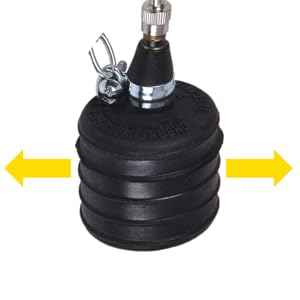
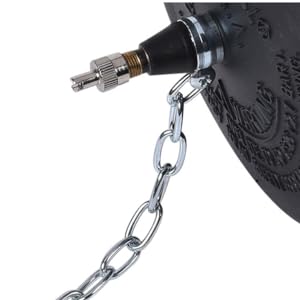
The Cherne 270040 Rubber Test Ball Pipe Plug is a 4-inch inflatable rubber plug designed for testing drain, vent, and waste systems. Rated for pressures up to 13 PSI, it features a durable natural rubber body with excellent expansion memory and a zinc-plated steel chain for secure handling. Its versatile design fits both round and out-of-round pipes and navigates tight plumbing spaces with ease, making it an essential tool for professional-grade plumbing diagnostics.
| ASIN | B000VYL5AE |
| ASIN | B000VYL5AE |
| Batteries Included? | No |
| Batteries Required? | No |
| Color | Black |
| Country of origin | China |
| Customer Reviews | 4.5 4.5 out of 5 stars (767) |
| Customer reviews | 4.5 4.5 out of 5 stars (767) |
| Date First Available | 1 January 2024 |
| Date First Available | 1 January 2024 |
| Department | 9207 |
| Included components | (1) 4 in. Rubber Test Ball Pipe Plug |
| Is Discontinued By Manufacturer | No |
| Item Package Quantity | 1 |
| Item Weight | 318 g |
| Item model number | 270040 |
| Item model number | 270040 |
| Manufacturer | Cherne |
| Manufacturer | Cherne |
| Material | Rubber |
| Measurement System | inch |
| Number Of Pieces | 1 |
| Part number | 270040 |
| Product Dimensions | 10.16 x 8.89 x 15.88 cm; 317.51 g |
| Product Dimensions | 10.16 x 8.89 x 15.88 cm; 317.51 g |
| Size | 4 Inch |
| Style | Chain |
S**Y
Perfect for performing leak tests. My plumber recommended this to test a drain seal and it worked perfectly.
J**A
Used these to plug vent and sink while forcing pressurized water through cleanout to unclog the drain line and worked like a charm. Really handy tool to have.
O**N
For cleaning the upper rim when using a brush and cleaner won't do. A bit pricey for what it does, but I imagine it will last for decades. It has a standard valve (like a car tire). Flush the toilet, turn off the intake water. Stick this in the hole. Inflate it a bit, not a lot, maybe one or two pumps for a firm fit. Obviously the valve stem is facing out, towards you. Now fill the toilet with CLR up to the rim of the toilet, one or two containers, maybe topping it off with some water to get the water/CLR level up above the overhang. (The more you dilute the CLR with water the longer it will take to clean: I used two gallons) Let it sit for five or six hours. The CLR will eat away all the junk and hard water lime deposit that has accumulated over time. When you are done, stick a pencil or other thin object in to deflate the plug, the way you would let air out of a tire. As the plug loosens, which takes only a few seconds, you can pull it out. And the water level in the bowl will fall to its normal level. Turn the supply valve on again. When the tank is full flush the toilet and say goodbye to all the CLR. The toilet bowl should be clean. This is how you get the rim. If you have lime deposit at the bottom of the toilet you don't need this thing. Just turn off the supply valve, flush, and fill with CLR. That will take care of the bottom of the toilet bowl. But to get the whole bowl right up to the rim (past the rim jets that fill the bowl from the sides), you need something like this stopper technique. I have seen people recommending using a balloon filled with water to stop up the toilet hole but I did not want to chance having the thing pop and getting rubber stopped up in the drain pipe. This plug device is solid and is to big to flush. (The plug has other applications in high pressure plumbing, the instructions are all about those applications, which have absolutely nothing to do with cleaning your toilet) It's not a cheap cleaning technique, you need two big bottles of CLR and this plug (which is re-usable), but then again, you don't need to do it often. And it certainly is easier than some of the alternatives I've seen on line, one of which included taking the toilet apart, hauling it outside, turning it over, and scrubbing to get inside the lip/overhang at the top of the rim. The technique I have described will run about $50 and is well worth it. A cheaper alternative to CLR might be coca cola, which you can read about on the net. I've never tried it. CLR has three different acids in it, one specifically designed for mineral deposits. Coca cola has one acid in it, designed to destroy your teeth, which come to think of it are minerals. So the choice is yours. If the coke doesn't work try the CLR. Or not. There's a limit to how much aggro I want to devote to this operation. The key in both cases is to give the cleaning agent time to attack the debris. I can tell you CLR works impeccably.
R**R
À très bien fonctionné
J**O
Me parece un producto muy bueno.
ترست بايلوت
منذ شهر
منذ يومين